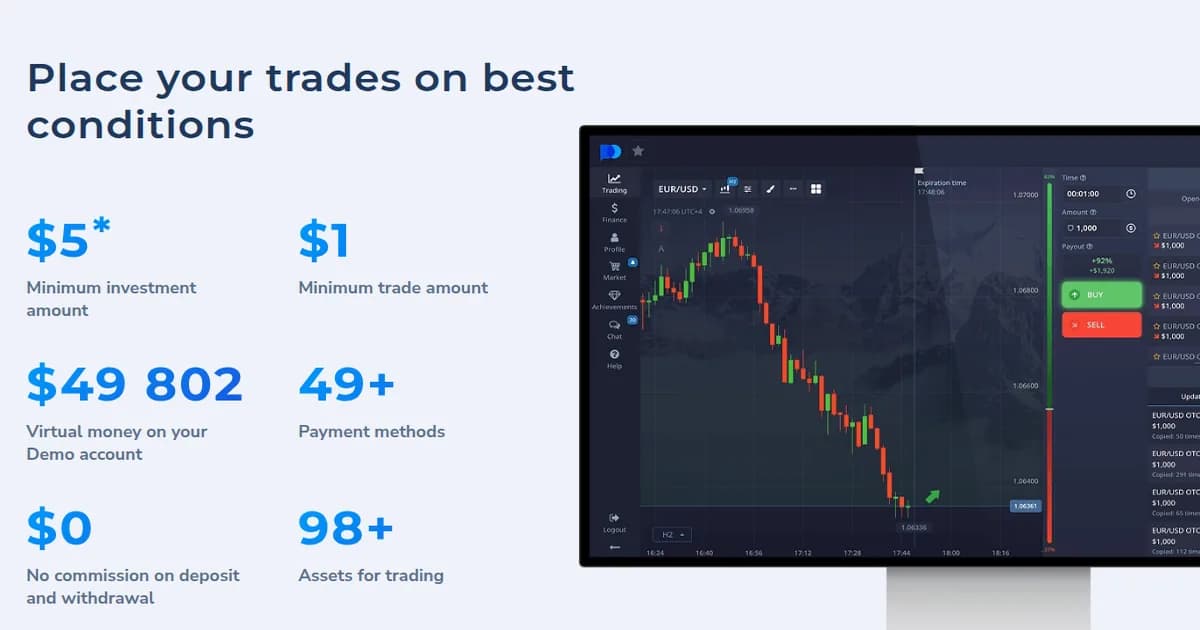
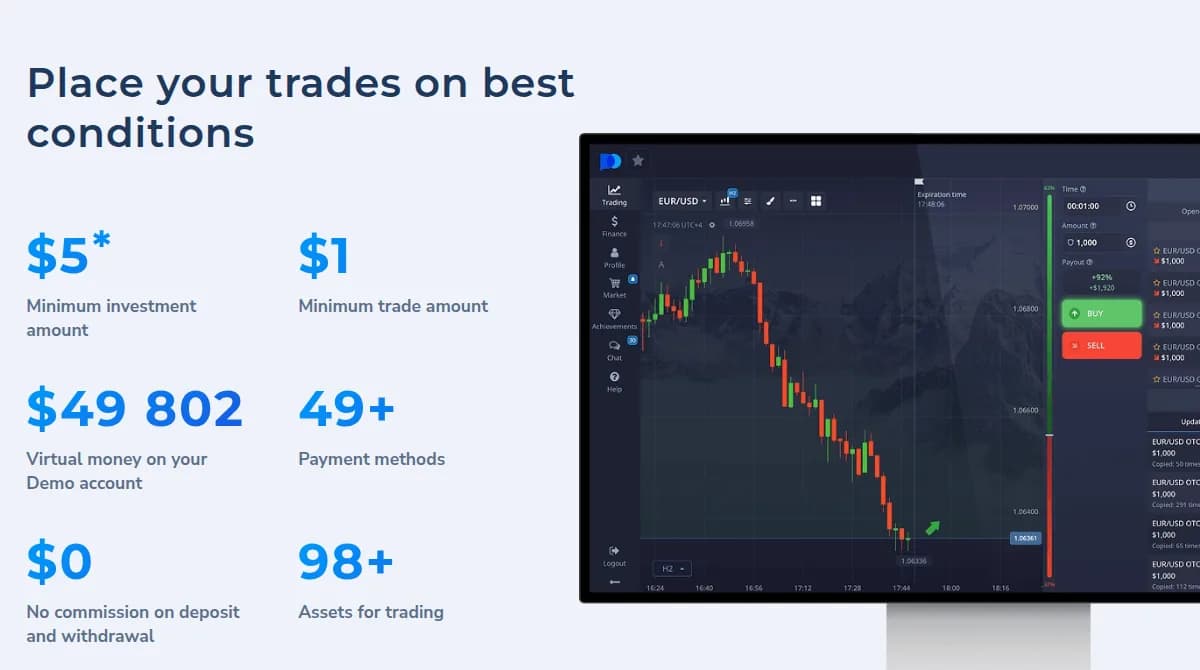
One of the reasons Pocket Option is popular is its simple pricing: no deposit fee, no withdrawal fee, no per-trade commission, no swap. But “no fees” does not mean “no cost”. This guide explains exactly how pocketoption makes money, which third-party charges you can still run into and which rules in the terms can quietly reduce your balance.
Pocket Option fee schedule at a glance
| Item | Pocket Option fee | Notes |
|---|---|---|
| Deposit | $0 | Payment provider / network may charge |
| Withdrawal | $0 | Minimum $10; provider fee possible |
| Commission per trade | $0 | Cost is built into the payout % |
| Spread | None on quick trading | Built-in spread on Forex/MT5 accounts |
| Overnight swap | None | Trades expire, no positions held overnight |
| Account currency conversion | $0 by platform | Bank/card issuer may convert at its rate |
| Inactivity | Possible after long inactivity | See terms; trade or log in periodically |
How Pocket Option actually earns money
On quick and binary trades you never see a commission line because the cost is in the payout percentage. A trade with a 92% payout means: win and you get $1.92 back on $1 — lose and you lose the full $1. Statistically, the gap between 100% and the payout is the broker’s margin. On a 70% payout asset that margin is much bigger than on a 92% one, which is why choosing high-payout assets is the single most effective way to reduce your trading cost.
Deposit fees: platform vs. payment provider
Pocket Option credits the full deposit amount. Any deduction comes from outside the platform:
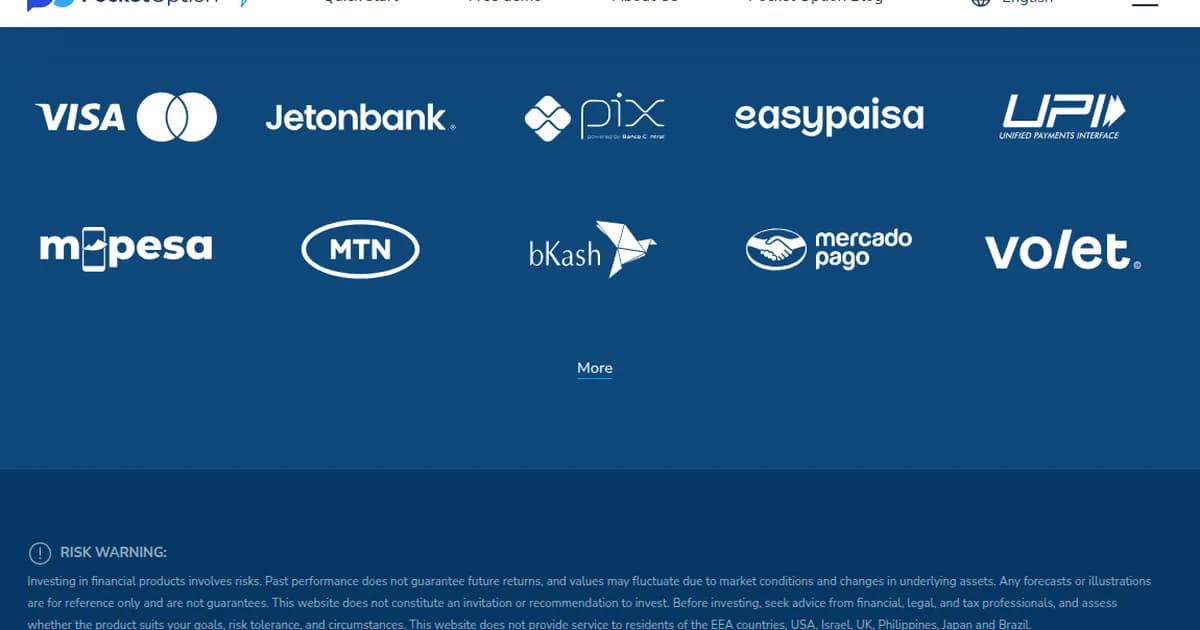
- Crypto — blockchain network fee paid by you when sending (USDT TRC-20 ≈ $1, ERC-20 can be $5+). The platform does not deduct anything on arrival.
- Cards — your bank may apply a foreign-transaction or currency-conversion fee (typically 1–3%) if the card currency differs from USD.
- E-wallets — Skrill, Neteller and others may charge their own sending fee.
- Local methods — Pix, UPI and most mobile money transfers are usually free for the sender.
Withdrawal fees
Withdrawals are free on the platform side, from a $10 minimum, and processed on average within 24 hours. The same external costs apply as for deposits: the crypto network fee is deducted from the sent amount, and a bank may charge for receiving an international card refund. Withdrawing to the method you deposited with, in the same currency, avoids most of these charges.
Costs that are not called fees
- 1Bonus turnover — accepting a deposit bonus locks the balance until you trade the required volume (often bonus × 50 or more). Withdrawing early may cancel the bonus and related profit.
- 2Inactivity rule — after a long period with no trades the terms allow a maintenance charge on dormant balances. Logging in and placing a demo trade does not count; a real trade does. Withdraw funds you are not using.
- 3Currency conversion — an account in USD funded from a BRL/INR/IDR card pays the bank’s rate twice (in and out). Choosing a local account currency avoids this where offered.
- 4Chargeback rule — disputing a card deposit with your bank leads to account closure and a penalty under the terms.
How Pocket Option fees compare
| Broker | Deposit / withdrawal fee | Min deposit | Max payout |
|---|---|---|---|
| Pocket Option | $0 / $0 | $5 | up to 92% |
| Quotex | $0 / $0 | $10 | up to 95% |
| IQ Option | $0 / $0 (bank wire fee) | $10 | up to 95% |
| Olymp Trade | $0 / $0 | $10 | up to 93% |
Values are as of writing and change frequently — check the platforms directly. In practice, the fee structure of all major binary brokers is similar; payout percentage and execution quality matter more than headline “zero fees”.
Trade with $0 deposit and withdrawal fees — open a Pocket Option account from $5.
Open Pocket Option account